The Ngouroumoutou Program
Background
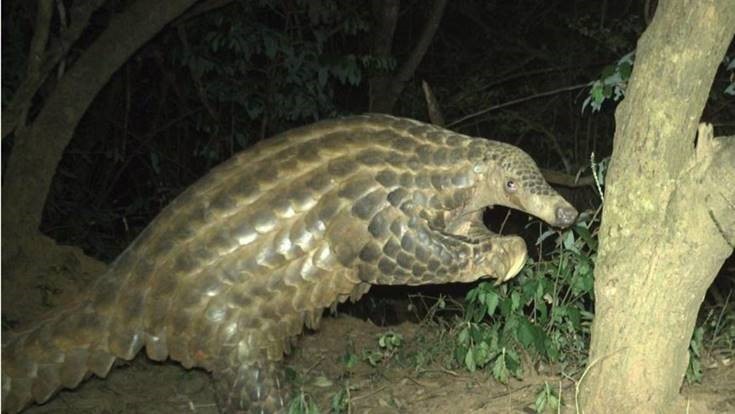
Named after the local dialect word for pangolins in the Vute vernacular, the Ngouroumoutou Program aims at supporting the conservation of pangolins, their habitats and other threatened wildlife species in and around the Mbam et Djerem National Park, while improving the livelihoods of indigenous communities around the Park. Exciting but disturbing research results obtained by ABOYERD’s research team during an ecological survey of giant pangolins between 2017 and 2018 revealed the urgent need to intervene through conservation groundwork tailor-made on evidence gathered from the field, hence the program “The Ngouroumoutou Program”.
What ABOYERD is doing to Conserve Pangolins and other wildlife species in the Mbam et Djerem National Park
i. Research
Research activities have filled several research gaps as far as the threats and solutions to the conservation of the park’s biodiversity are concerned. Research points focus on:
a) Situation Analysis and Value Chain Identification
In 2021, ABOYERD launched one of its major research activities in MDNP with a situation analysis aimed at identifying green value chains that could be developed sustainably across eight target communities. The study examined the production, collection, and trade dynamics of three non-timber forest products (NTFPs): honey, njansang (Ricinodendron heudelotii), and kimba (Xylopia aethiopica).
For honey, the study surveyed 15 beekeepers, predominantly male Gbaya farmers, who primarily use traditional beehives due to their affordability and availability.
The results of the study found annual honey production to range from 75 to 1,500 liters, with sales prices varying between XAF 500–1,000 per liter. Reported challenges included the lack of appropriate knowledge to sustainably collect and process honey and its derivatives, lack of material both at the level of production and commercialization, and finally conflicts with wildlife
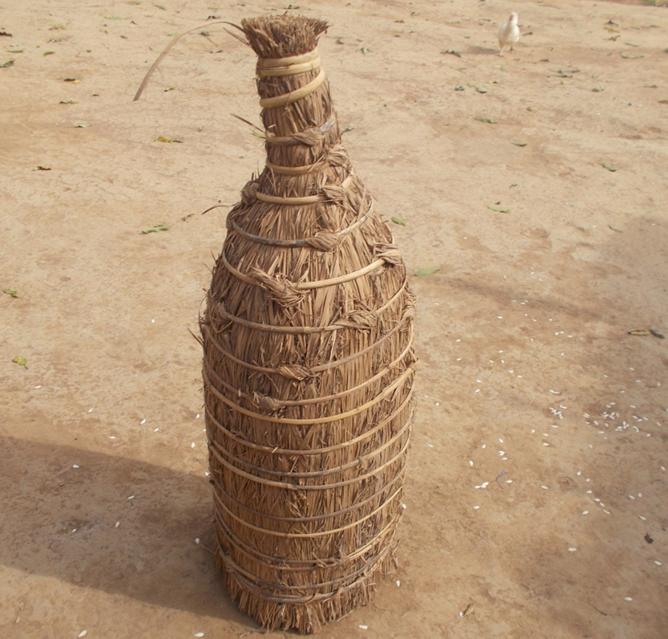
A traditional beehive used by local beekeepers around Mbam et Djerem National Park
Njansang and kimba were reported to be primarily collected by female Vute farmers (N= 33), with Njansang harvested in quantities of 1–50 liters and kimba 1–35 liters annually. Njansang undergoes labor-intensive processing, boiling, shell-breaking and drying) while kimba is mainly dried.
Field assistant during the field survey taking the diameter at breast height of a Njansang tree
Both products were reported to sold locally, with Njansang prices varying from XAF 700 to XAF 1,800 per liter and kimba at XAF 50–200 per pile, and XAF 8,000 for a bag of 100 kilograms\.Main challenges reported were conflicts with wildlife (especially the Red river hog), distant collection sites, and lack of buyers.
Market surveys of 95 sellers across five markets located around MDNP (Obala, Ntui, Yoko, Tibati and Ngaoundal) confirmed high demand for these NTFPs, with Njansang widely traded, kimba less so, and honey sales limited but consistent. Key challenges include inadequate equipment, limited processing knowledge, and seasonal price fluctuations, underscoring the need for training, equipment support, and market access to enhance these value chains for sustainable livelihoods and biodiversity conservation.
After in-depth analysis, apiculture (beekeeping) and njangsang (Ricinodendron heudelotii) exploitation were selected as the most viable value chains for development within the 8 communities in the landscape. Of the eight communities:
- Apiculture was a best fit for 5 villages (Ngoum, Lena, Mba’am, Gongotoua, and Mbitom Conseiller) given the vegetation type varying from mosaic forest-savannah from the south to savannah in the north, and appropriate for honey production.
- And the valorization of Njangsang was recommended for 3 villages (Guere, Makouri, and Megang) given the forest vegetation type which is most suitable for the development of Njansang trees.
This research lays the groundwork for community-based livelihood support and sustainable natural resource management in the MDNP. ABOYERD’s success in the MDNP as far as community development (livelihood activities) and biodiversity sensitization is concerned is to a large extent based on this vital study.
b) Botanical Inventory and Market Analysis
ABOYERD is conducting botanical inventories to evaluate the natural abundance of tree species in the landscape, with special interest on the identified Njansang for possible valorization. The aim of this inventory is to ensure the availability of resources to sustain exploitation. These botanical inventories are carried out across 17 belt transects of one kilometer-long each, spanning 17 ha in five of the target villages (Guere, Makouri, Megang, Ngoum, and Mba’am) at the southwest periphery of the Park, with the aim to investigate the density patterns of Njansang.
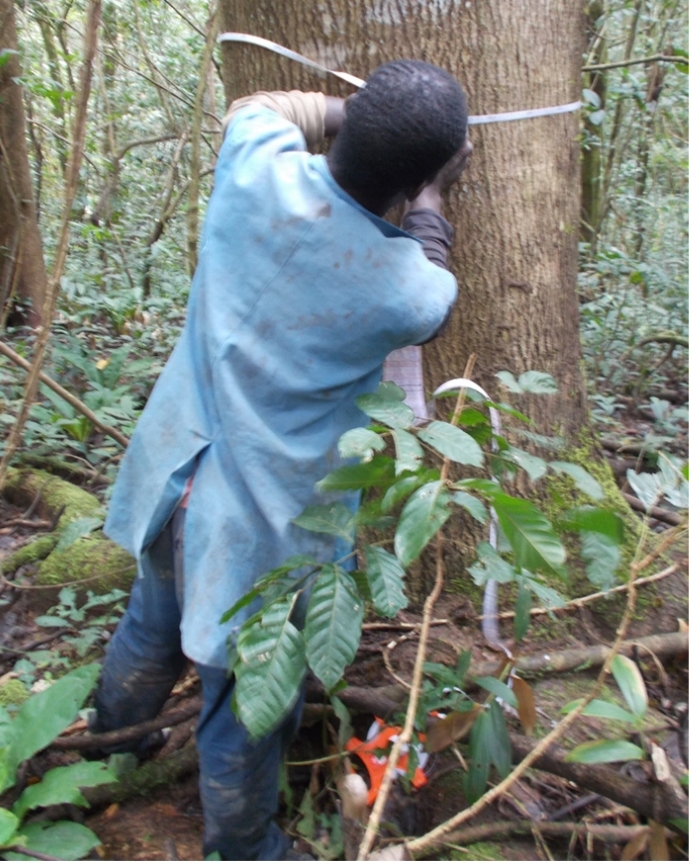
Field assistant during the field survey taking the diameter at breast height of a Njansang tree
Results reveal an average density of 3 stems/ha, with the highest concentrations in farmlands, secondary forests, old secondary forests, and fallows, but low presence in gallery forests and near absence in savannas. Village-specific analysis identifies Megang (3.25 ± 2.44 stems/ha) and Makouri (3 stems/ha) as density hotspots, significantly higher than other sites (Duncan test, p < 0.05). ANOVA analysis shows no significant density variation across habitat types (p > 0.05), highlighting the species’ preference for open, secondary forest ecosystems. These findings suggest conservation challenges due to the species’ low density and reliance on disturbed habitats, which are vulnerable to intensified land use and deforestation pressures threatening long-term population sustainability. To address these conservation implications while ensuring sustainability in exploitation. The following recommendations were drawn to guide subsequent activities of the project:
- Build capacity of beneficiaries on sustainable harvesting and processing techniques to ensure extraction rates do not exceed regeneration capacity;
- Establish community nurseries in targeted villages to propagate Njansang, addressing seed dormancy through appropriate techniques;
- Implementing participatory monitoring programs to track population dynamics and ensure long-term sustainability.
This information directly supports the design of alternative livelihood activities and capacity-building programs for the local communities in target villages
c. Wildlife Monitoring Using Innovative Research Techniques
Ecological monitoring is crucial for understanding and preserving biodiversity, as it provides essential data to protect vulnerable species and their habitats from environmental threats. Regarding ecological monitoring, ABOYERD is employing innovative research techniques to track population dynamics and threats to pangolins and other animal species, as well as their associated wildlife habitats in the MDNP. The designated area for ecological monitoring consists of twenty 2-km transects, with the possibility of expanding to 34 depending on available resources
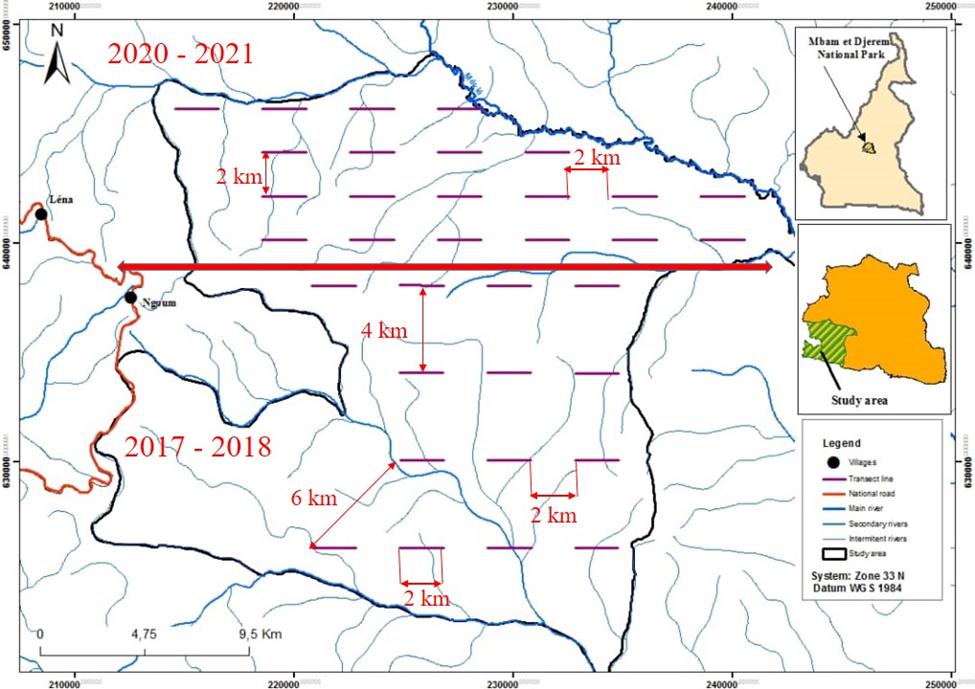
Biomonitoring design for data collection in Mbam et Djerem National Park
ABOYERD employs linear transects and camera traps as the primary methods for data collection within the MDNP. Linear transects, which involve walking predetermined 2-km paths, allow for systematic observation of the landscape, while camera traps provide continuous, non-invasive monitoring of wildlife activity in the absence of the researcher. These techniques are used to gather critical indicators of pangolins and other species’ presences, including footprints, scats, direct sightings, camera trap footage, vocalizations, and evidence of human activity, such as tracks or signs of encroachment.
Data collection is done in partnership with the conservation service, ensuring consistent monitoring and collaboration to support the protection of pangolins and their habitats.
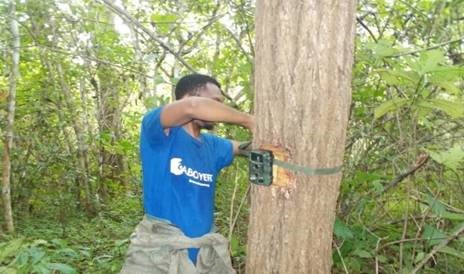
Biomonitoring using Camera Traps
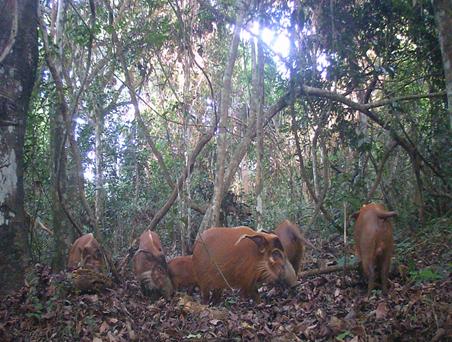
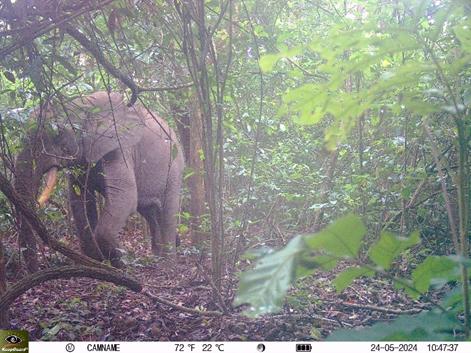
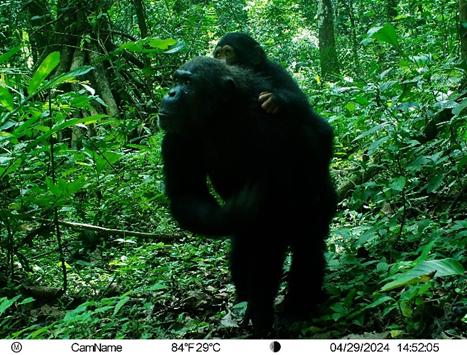
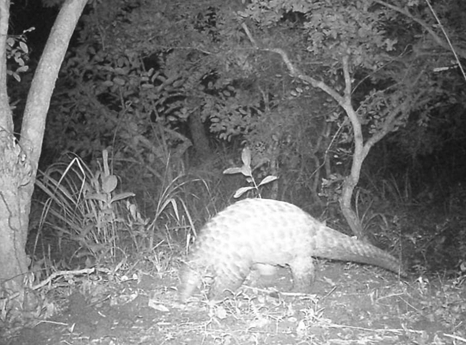
Wildlife species footages from ABOYERD’s camera traps in MDNP Giant pangolin (up left), red river hog (up right), elephant (down left), chimpanzees (down right)
To disseminate the results obtained from all these studies, a bunch of publications have so far been made, and many are under preparation:
- The Assessment of local knowledge and use of pangolins in the Mbam et Djerem National Park area. Available at web link https://journals.sagepub.com/doi/full/10.1177/19400829211028138;
- Pangolin habitat suitability modeling. See web link https://www.sciencedirect.com/science/article/pii/s2351989423000306;
- Provision of the first scientific confirmation of the existence of the African Golden Cat in the MDNP. Available at https://www.researchgate.net/publication/357367327_confirmed_presence_of_African_golden_cat_in_Mbam_et_Djerem_National_park_Cameroon.
ii. Conservation Awareness/Environmental Education:
Conserve biodiversity and their natural habitat for posterity. That is the message, but it will take entire platforms, techniques, and approaches to move the ball of biodiversity conservation. In order to promote positive behavior change towards the conservation of pangolins and other wildlife species in the Mbam et Djerem National Park. ABOYERD uses results from research to bring conservation education and awareness to communities around the park through the following channels:
a. Community Empowerment in Resource Governance.
Participatory mapping is a vital tool for documenting customary land rights and enhancing local governance, particularly in areas adjacent to protected zones such as the MDNP in Cameroon. Participatory mapping can unlock a thousand doors to effective community based biodiversity conservation and natural resource governance. In line with this, ABOYERD is progressively conducting participatory mapping exercises in communities around the Park. Through this exercise, communities practically learn how to better organize and present interesting details about their community and its natural resources.
The participatory mapping exercise conducted in Megang village, highlights the critical role of customary land tenure and traditional governance in natural resource management. Through a community-driven process involving training local mappers and employing tools such as ground maps, seasonal calendars, Venn diagrams, and problem trees, the study documented spatial land use, livelihood activities, cultural sites, and conflict zones. Key findings reveal that farming, non-timber forest product collection, hunting, and livestock rearing are central to community livelihoods, yet these activities face challenges from land tenure conflicts, resource overexploitation, and limited recognition of customary rights.
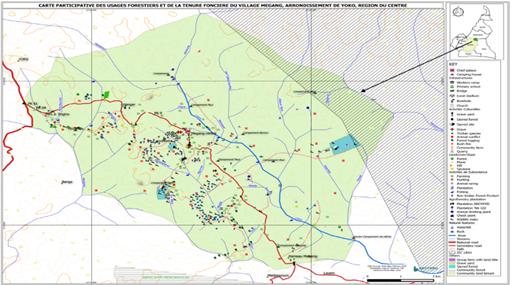
Participatory map of land use in Megang village.
b. School Programs:
Education programming dealing with threats to ecosystem services and biodiversity is included in the curricula of primary and secondary schools around the Mbam et Djerem National Park. To ensure the long-term survival of conservation actions, three pangolin clubs have been created in some primary and secondary schools to bring conservation awareness to pupils and students. Through the instrumentality of interactive lessons, sensitization activities in communities during the celebration of national days, and pangolin day celebration, a sense of empathy is built in young persons, ultimately leading to the protection of these unique creatures. Young persons are becoming more engaged in conservation activities and pangolin meat consumption is progressively reducing in communities around the Park.
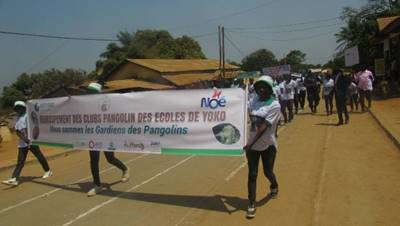
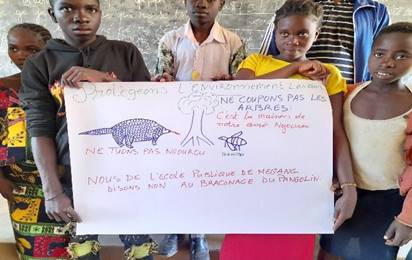
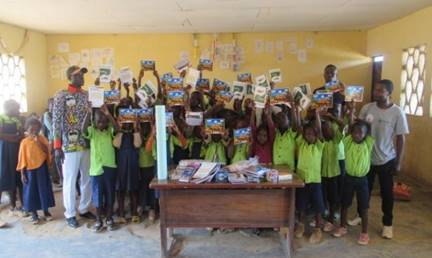
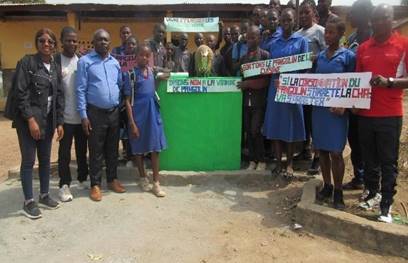
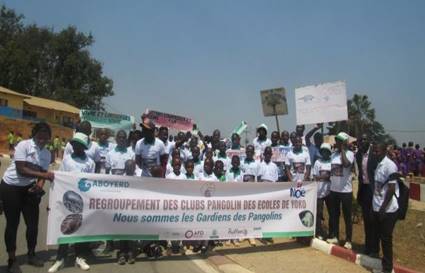
Number of School children reached through Pangolin Clubs.
c. Behavior Change Campaigns:
Most, if not all threats to biodiversity are driven by human behavior. As such, strategically changing human behaviors is necessary to impact these threats. Based on research diagnostics, ABOYERD is carrying out behavior change campaigns in communities around the Mbam et Djerem National Park to discourage the consumption/transportation of pangolin meat, and raise awareness on wildlife laws. The campaigns target specific actors in the pangolin trade chain (individual consumers, restaurant owners, and commercial transport operators). So far, two campaigns have been carried out in 10 communities around the Park (Guerre, Makouri, Megang, Yoko, Ngoum, Lena, Mba’am, Tibati, Ndjolle, and Ntui), reaching a total of 5330 persons with behavior change messages.
Post campaign surveys are revealing a decrease in the demand of pangolin meat and shifts in perceptions as most communities are increasingly ceasing from regarding pangolins and other threatened species as good meat and lucrative trade commodities. In most communities, indigenes are now recognizing the ecological importance of pangolins and other threatened wildlife species.
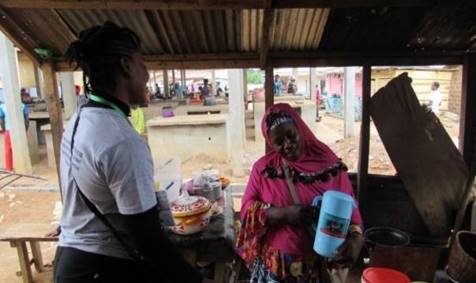
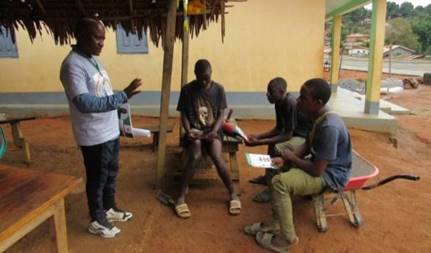
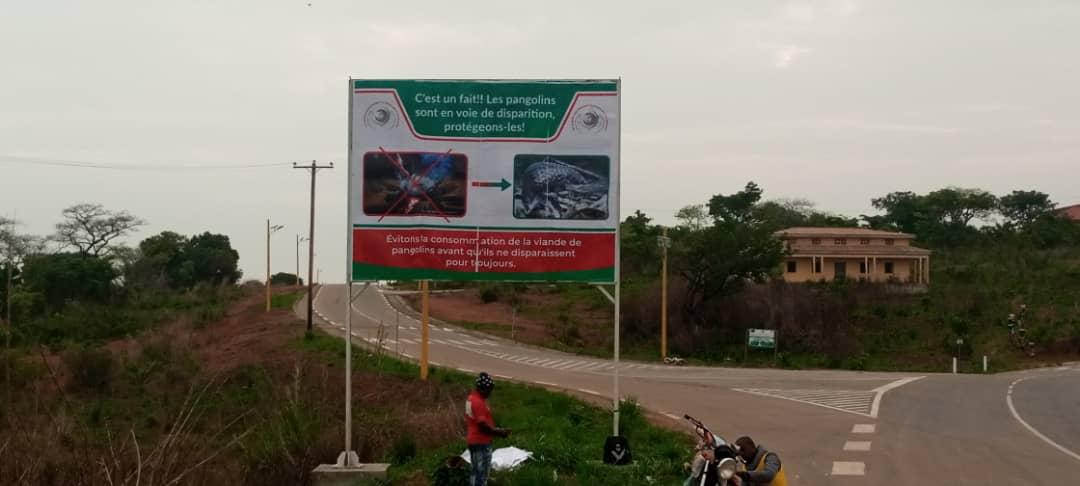
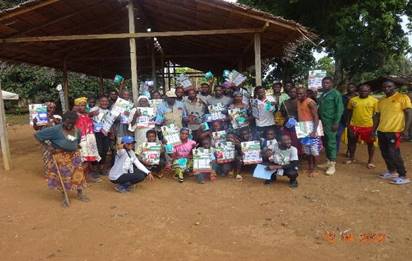
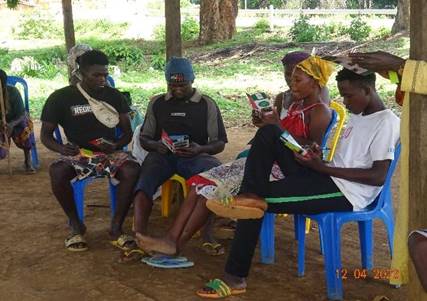
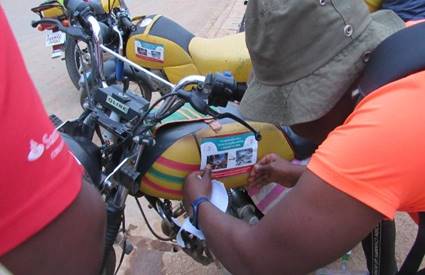
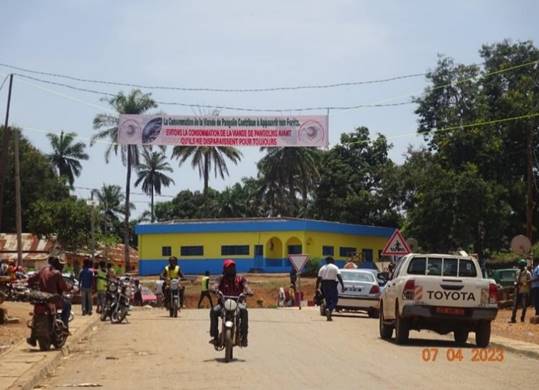
Number of persons reached Conservation messages through behavior change campaigns
d. Radio Programs:

The Radio is one of the easiest means through which conservation messages are transmitted to communities around protected areas in Cameroon. ABOYERD is using this medium to air conservation messages in communities around the Mbam et Djerem National Park. To culturally contextualize conservation messaging, live radio programs and traditional tales promoting biodiversity conservation are developed and broadcast via local radio stations. Live sessions typically consist of debates on heated conservation topics concerning the landscape, with panelists including representatives from the conservation service, community officers, and representatives of civil society organisations. Radio tales are scripted, translated and recorded in local languages (Gbaya, Vute, and Fulfulde) to ease comprehension and aired in the form of poems, short tales and songs. A survey conducted by the local radio station (Radio Pangnere) proffers that about 3500 persons are reached annually with conservation messages. The visible impacts of this activity is increased awareness of the ecological importance of pangolins and other threatened species within local communities, and the adoption of sustainable practices and conservation actions amongst target audiences.
e. Capacity-Building Workshops for Rangers
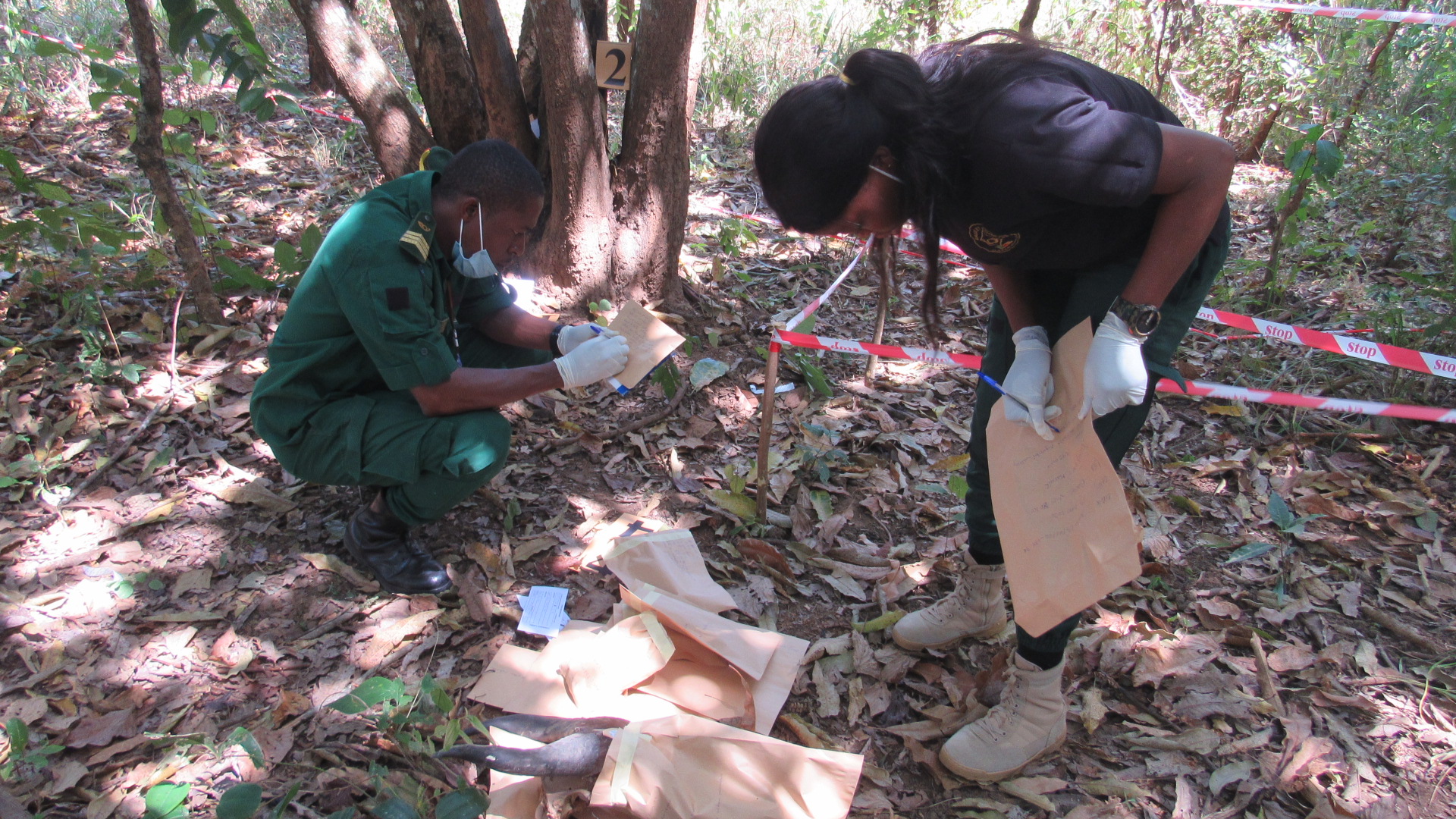
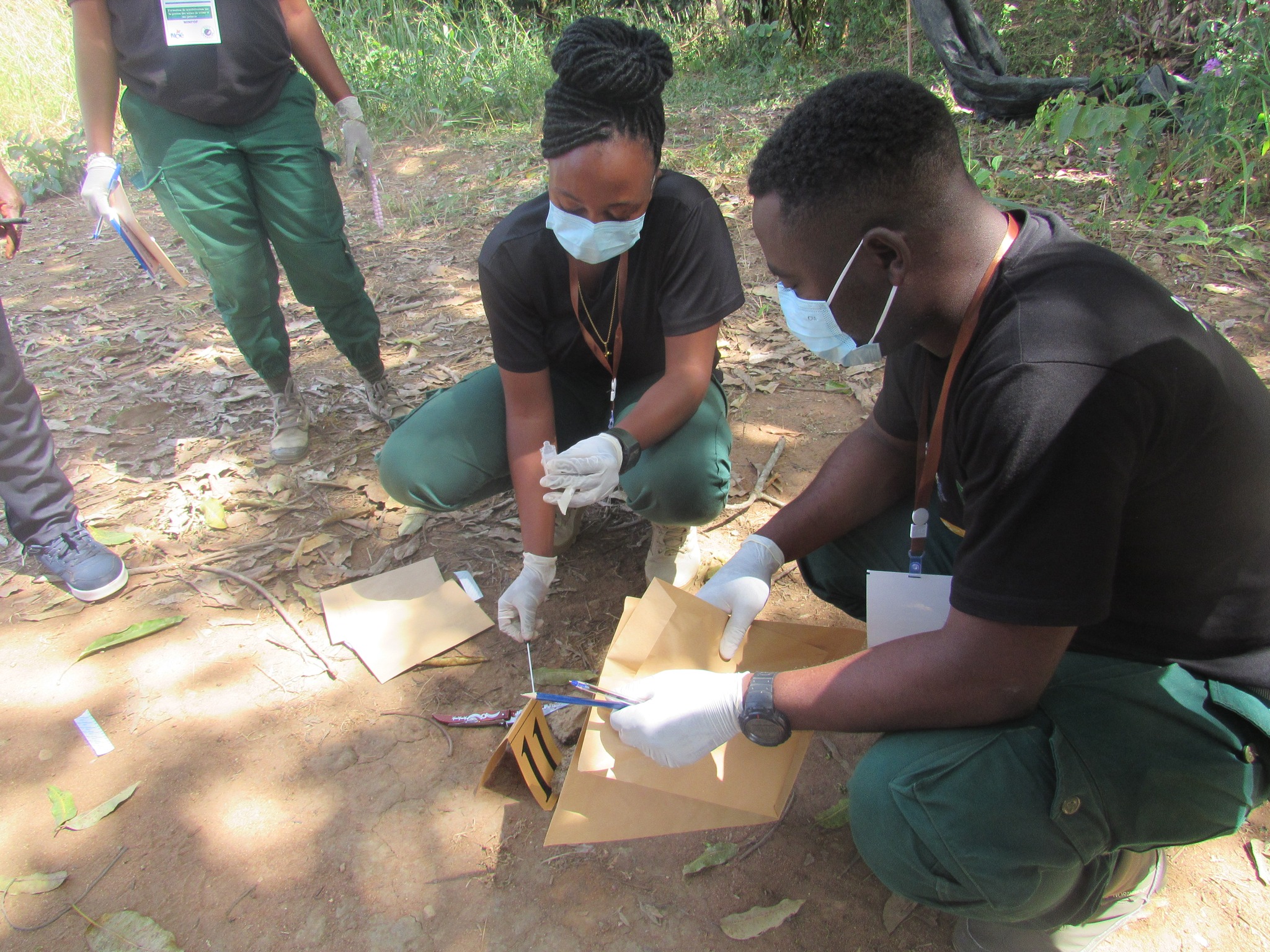
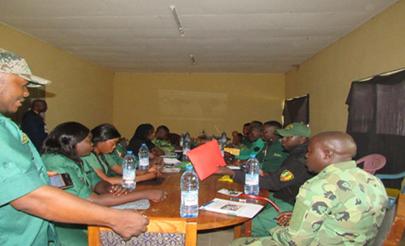
Theoretical training (a), practical demonstration of crime scenes and evidence management (b and c), and trainers and trainees with their certificates of completion.
Strengthening the capacity of eco-guards is essential for effective wildlife conservation, as it equips them with the skills and knowledge needed to combat illegal activities and enforce environmental laws, thereby protecting vulnerable species and their habitats. ABOYERD organizes regular capacity-building workshops with eco-guards from the conservation service to enhance their skills in managing wildlife crime scenes, handling evidence, and understanding the relevant wildlife and forestry regulation. Workshops enhance the legal and technical knowledge of the rangers, empowering them to combat wildlife crime effectively.
f. Organization of Pro-Biodiversity Cultural Events
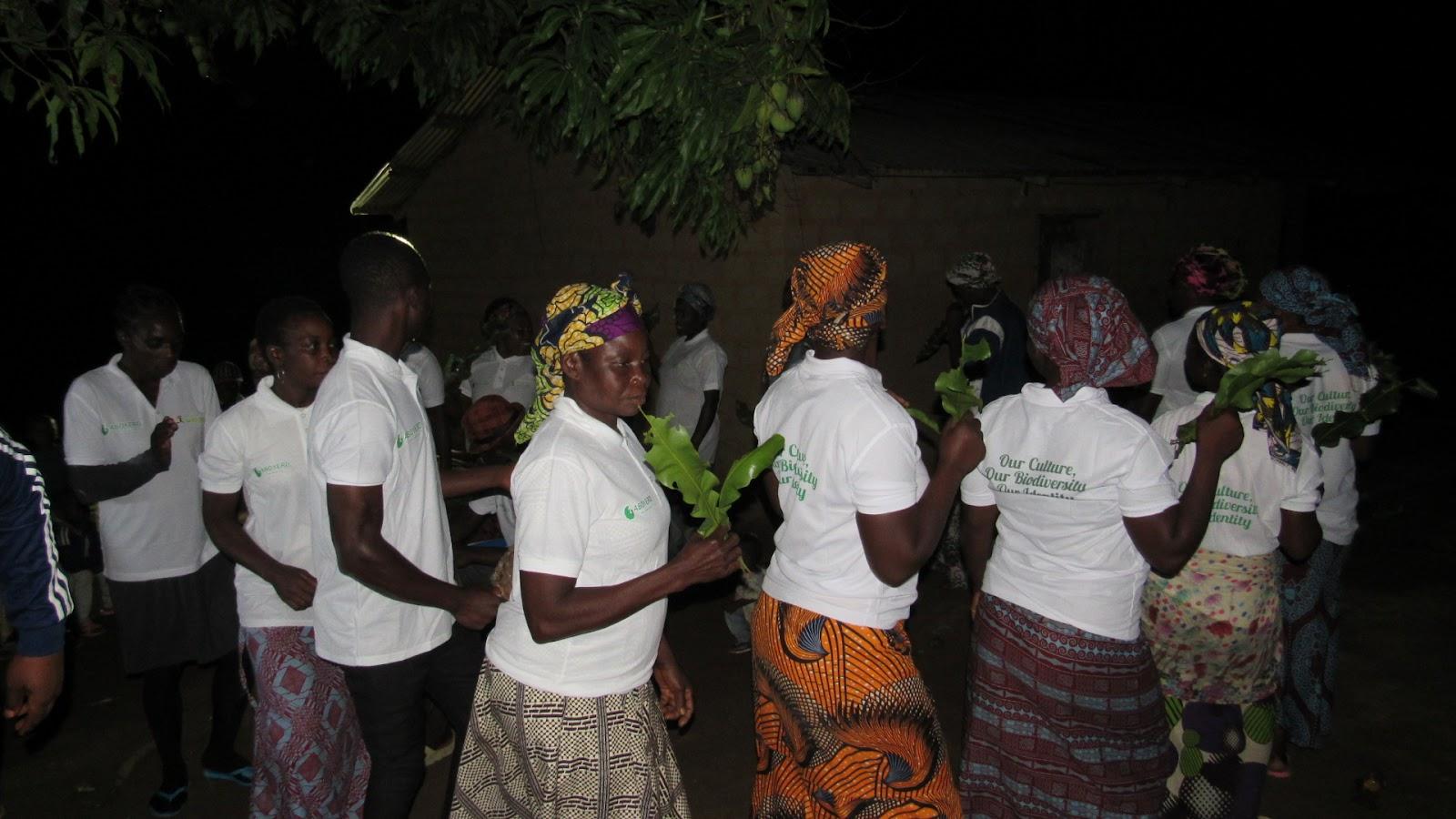
Pro-biodiversity Traditional dance during a pro-biodiversity cultural event in Ngoum Village
By integrating local culture into conservation, ABOYERD is organizing pro-biodiversity cultural events in communities around the Mbam et Djerem National Park to foster wildlife conservation. Leveraging culture to promote biodiversity conservation involves integrating community values and indigenous practices into conservation practices. Honoring cultural heritage and its connection to nature fosters community engagement and promotes peaceful coexistence with wildlife, ultimately enhancing biodiversity protection. These events give community dwellers the opportunity to savor the rich display of pro-biodiversity cultural dances, drums rhythms, songs, games and folklore, and as well resurrect long forgotten dances, drum rhythms, and riddles that are pro-biodiversity. Even though events are marked by merrymaking and celebration, it strengthens cultural connection to nature and reignites the consciousness of community dwellers that the duty to protect biodiversity is an inherent responsibility passed on from past generations.
g. Community Workshops
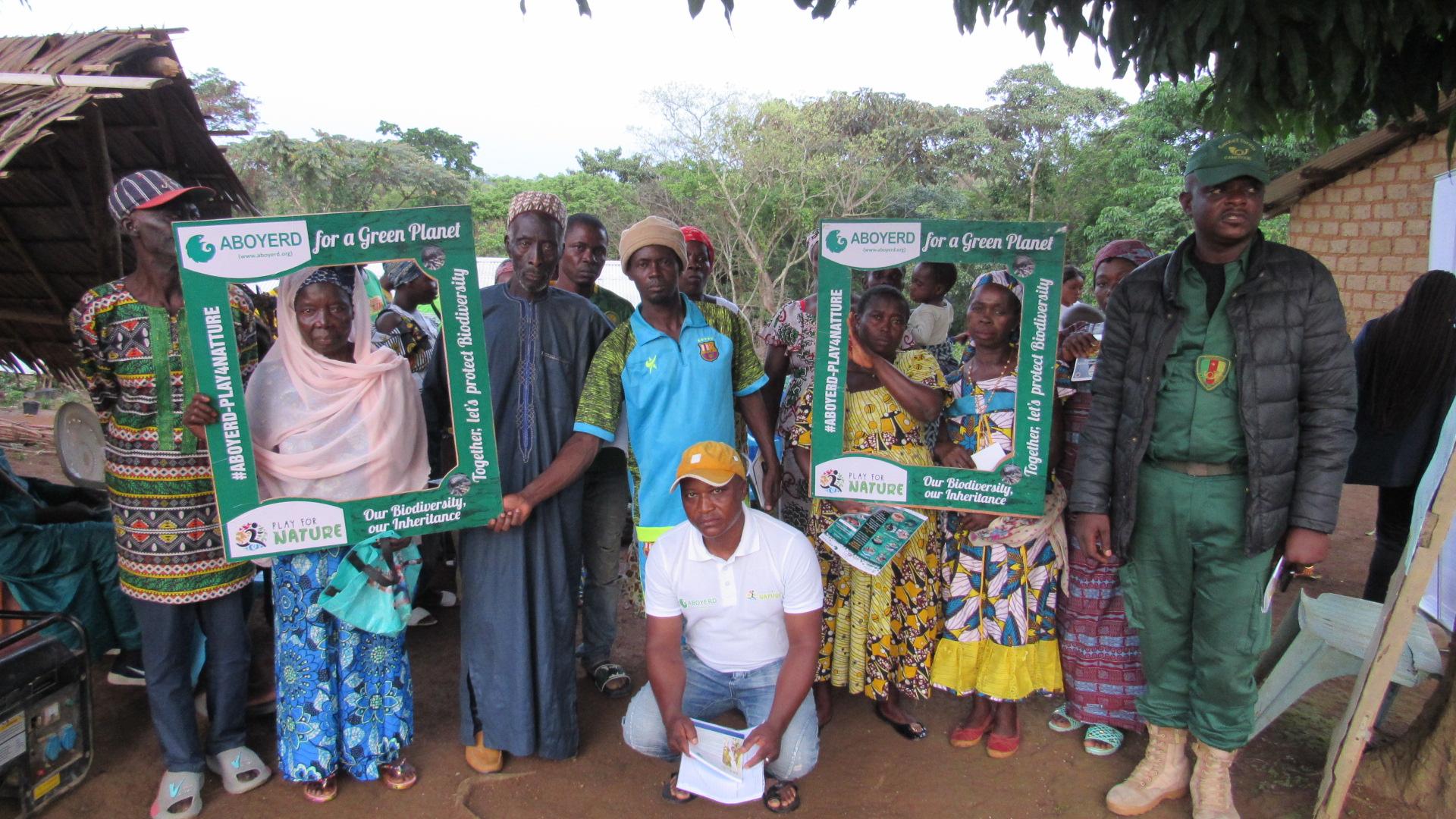
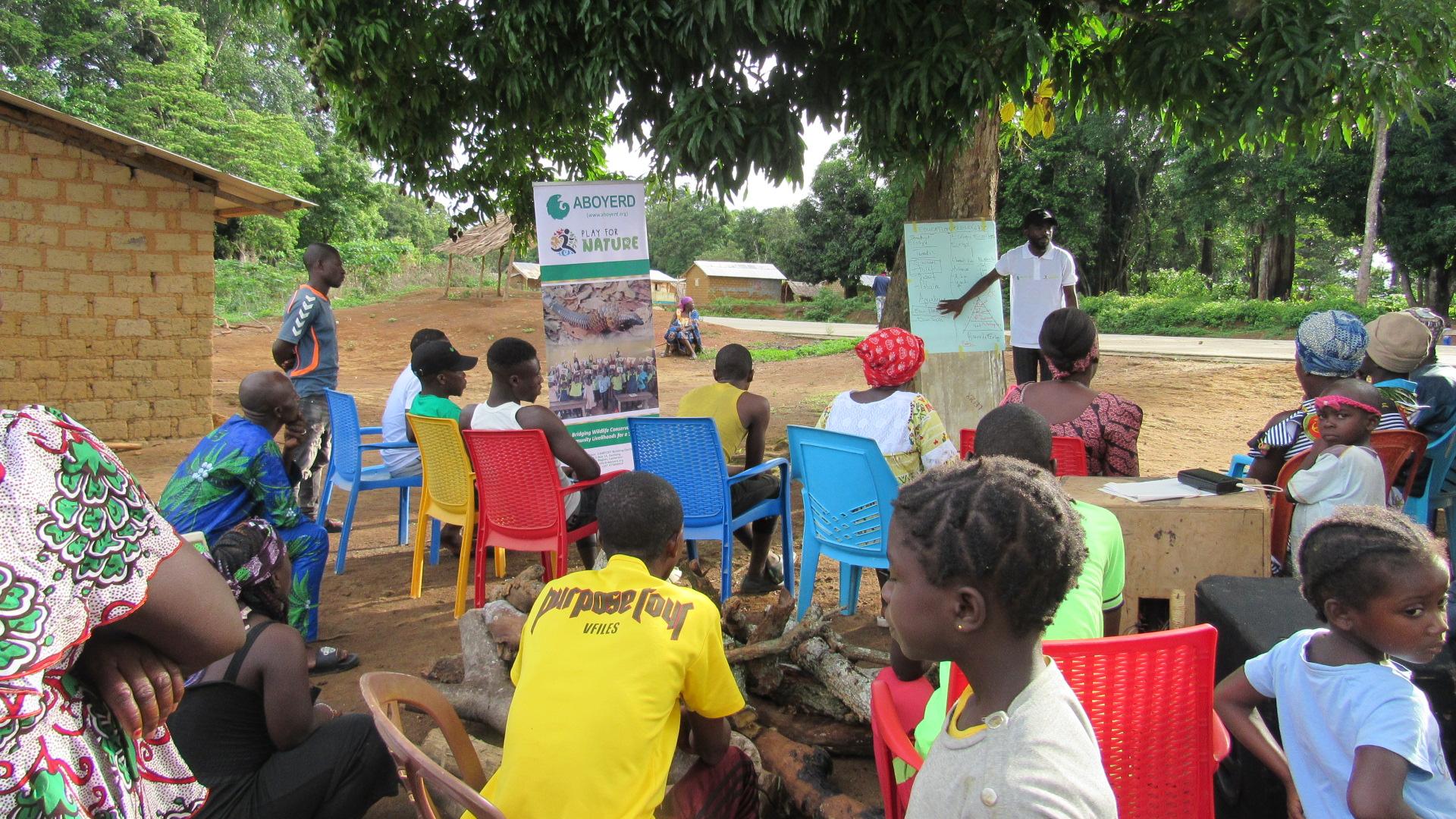
Community workshops on Wildlife Laws and Ecological knowledge of Pangolins in Ngoum Village
Community participation in biodiversity conservation is vital for the establishment of community-based conservation. ABOYERD hosts workshops in concerned communities to help indigenous communities around the Park build or enhance their knowledge on issues relating to the conservation of pangolins and other wildlife species. Through workshops, wildlife laws are made simple and transmitted to local communities.
h. Development of an Environmental Education Center
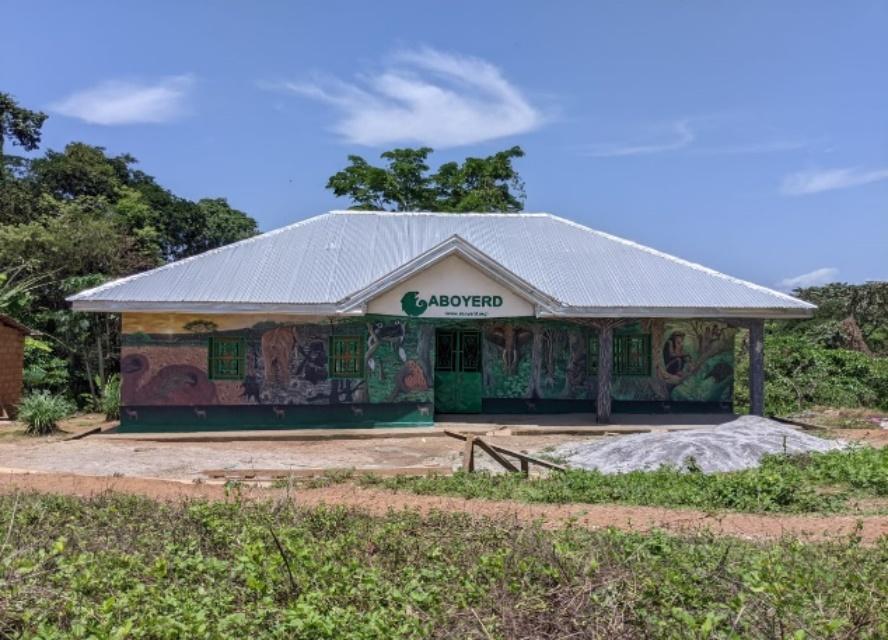
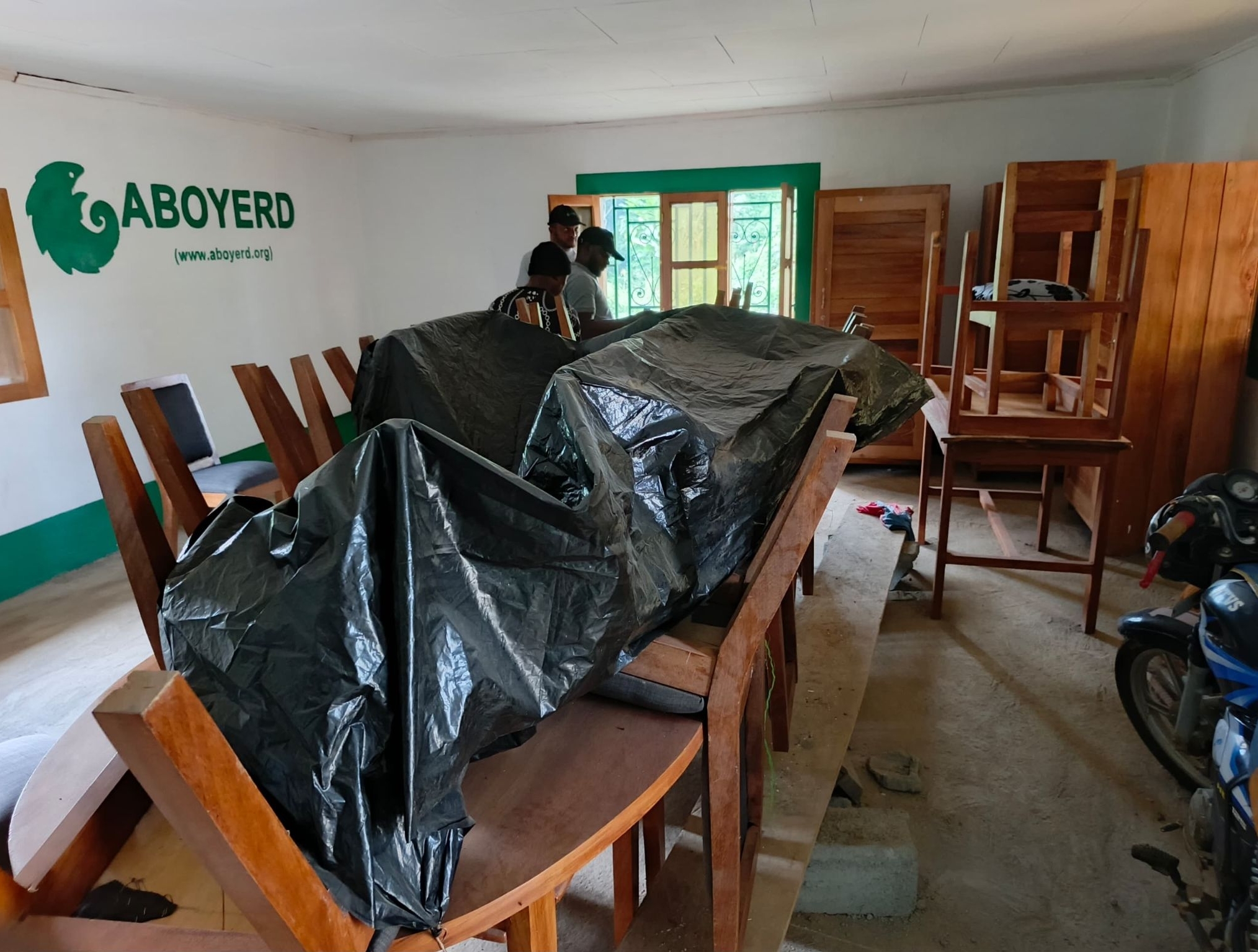
To further support conservation learning, ABOYERD constructed an Environmental Education Center in Ngoum, one of its project villages. This facility will provide interactive learning experiences for school children, local residents, tourists, and other visitors, emphasizing the importance of the park’s biodiversity and the need for its protection.The structure is in a habitable state, furnished with a conference table, beds, and kitchen equipment, and equally serves as a base for ABOYERD staff while on the field.
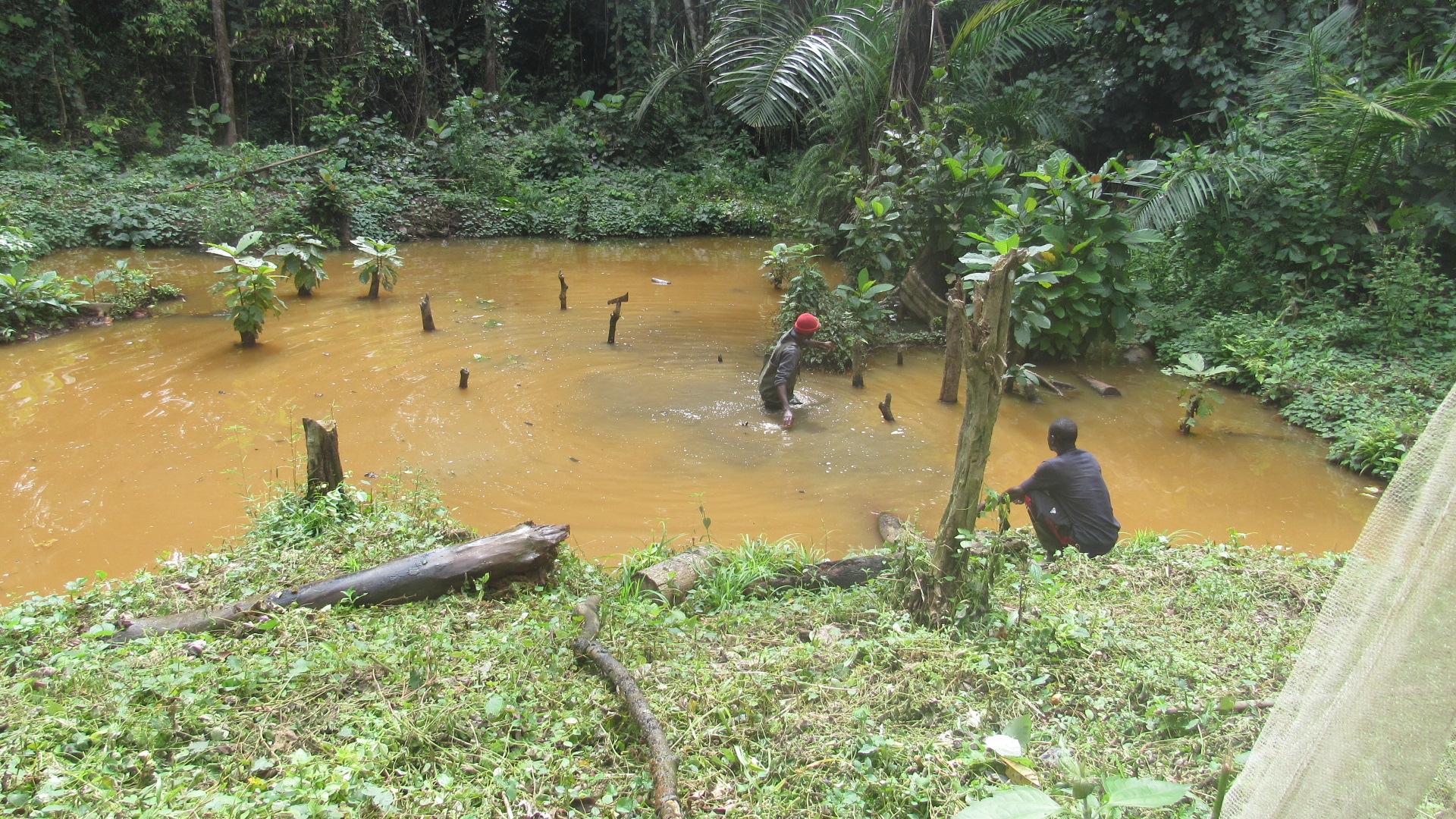
Around the Center, is a nursery composed of ecological and economic tree species and a fish pond with over 1,500 fingerings introduced. The center will eventually be furnished with a library and reading section for visitors. Externally, demonstration farms will be established, income from which will be used to support the running of the activities of the center. We strongly believe that this center will gradually strengthen community systems in sustainably utilizing nature to meet their social and economic needs, and will improve the engagement of communities in pro-biodiversity activities.
iii. Development of Alternative Livelihood Activities:
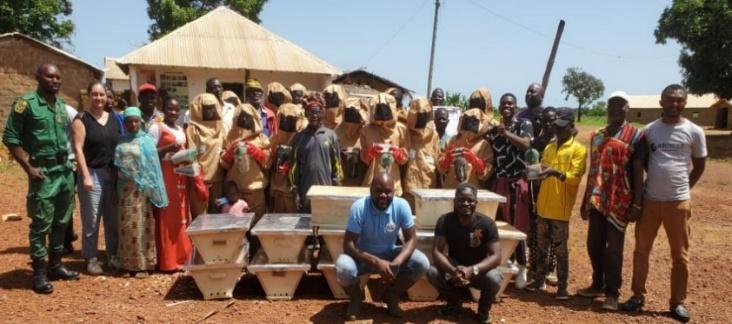
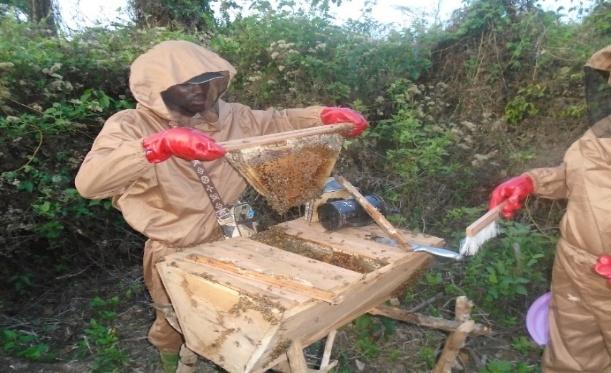
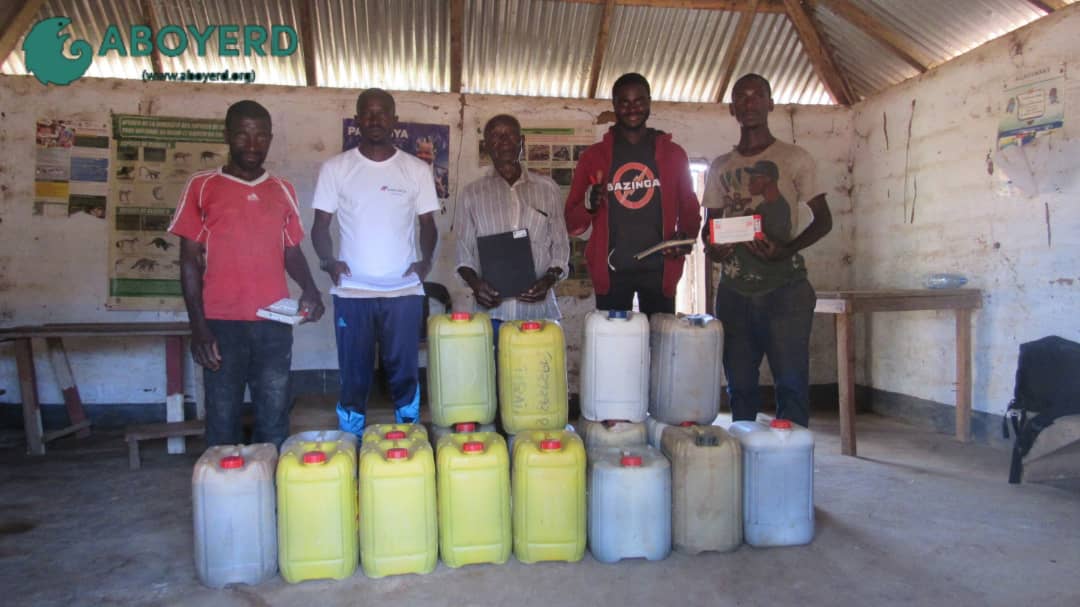
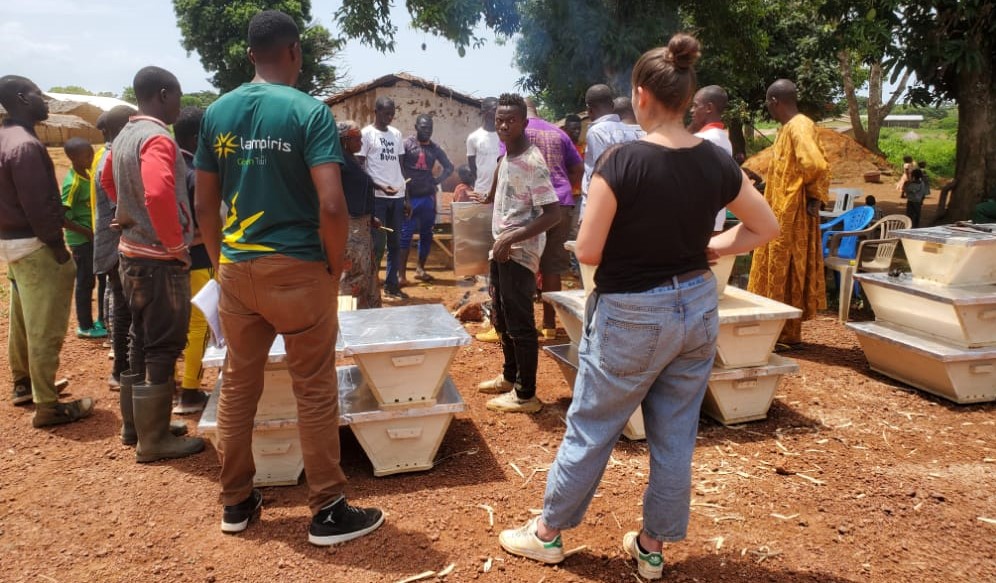
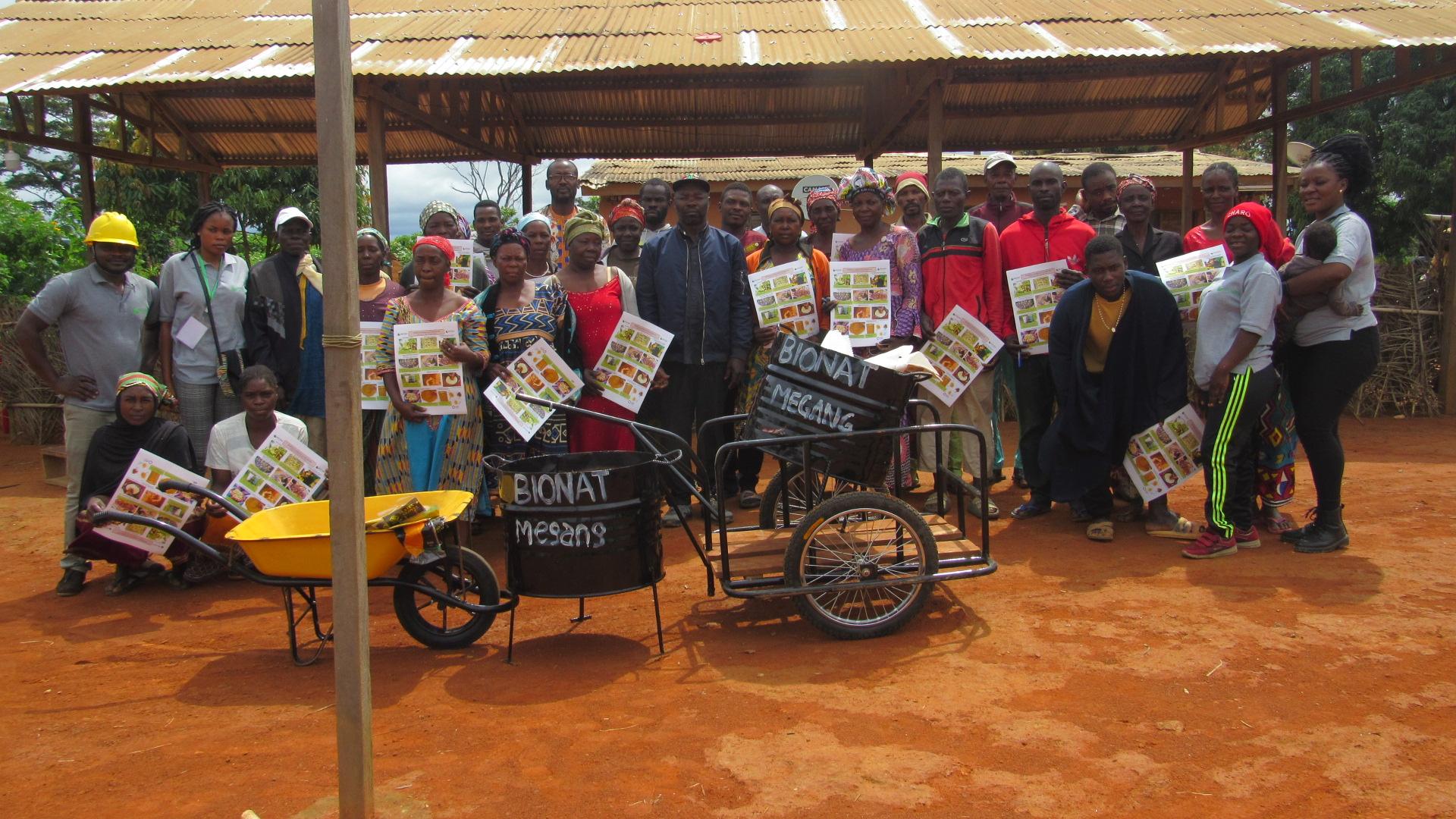
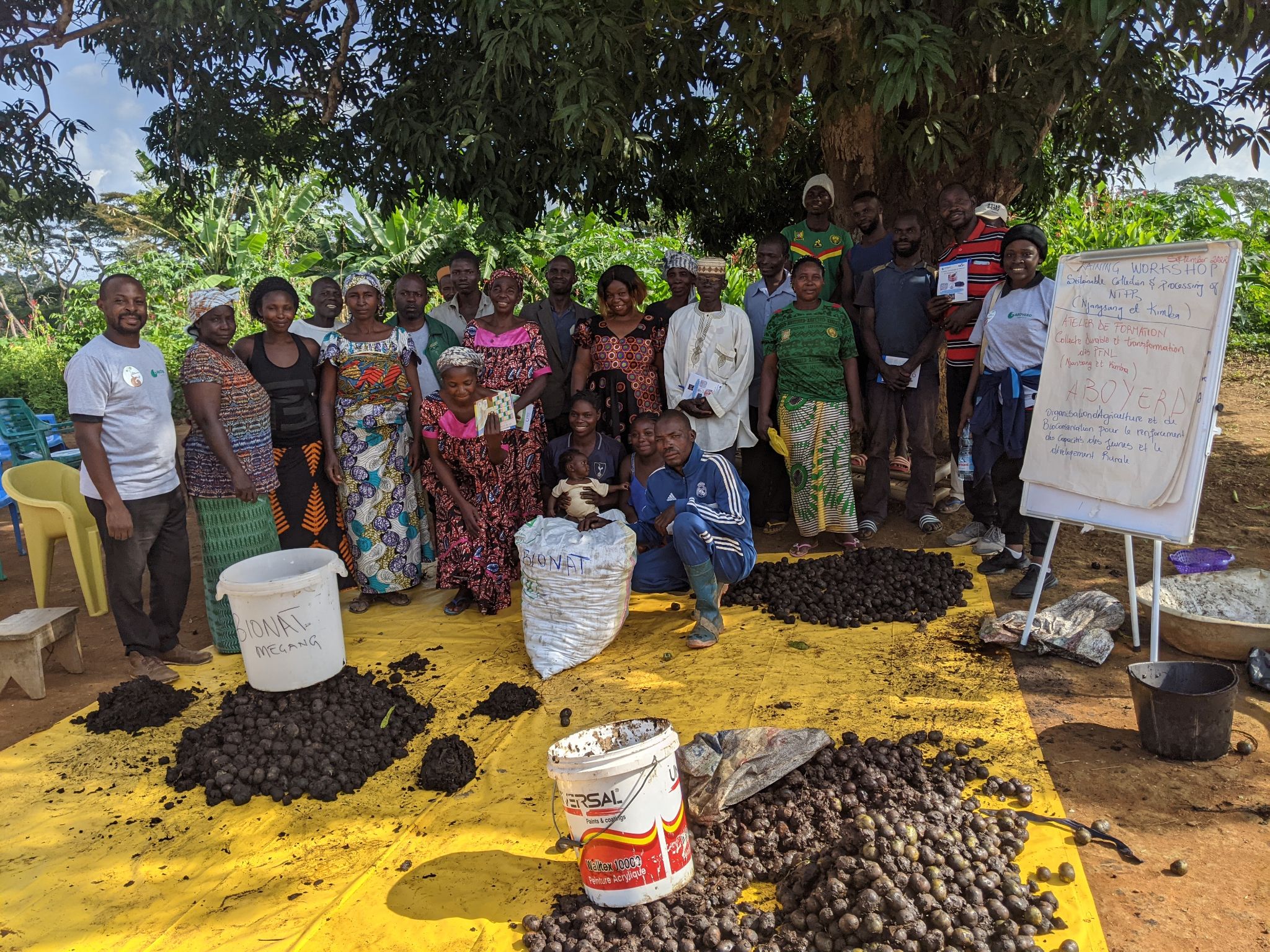
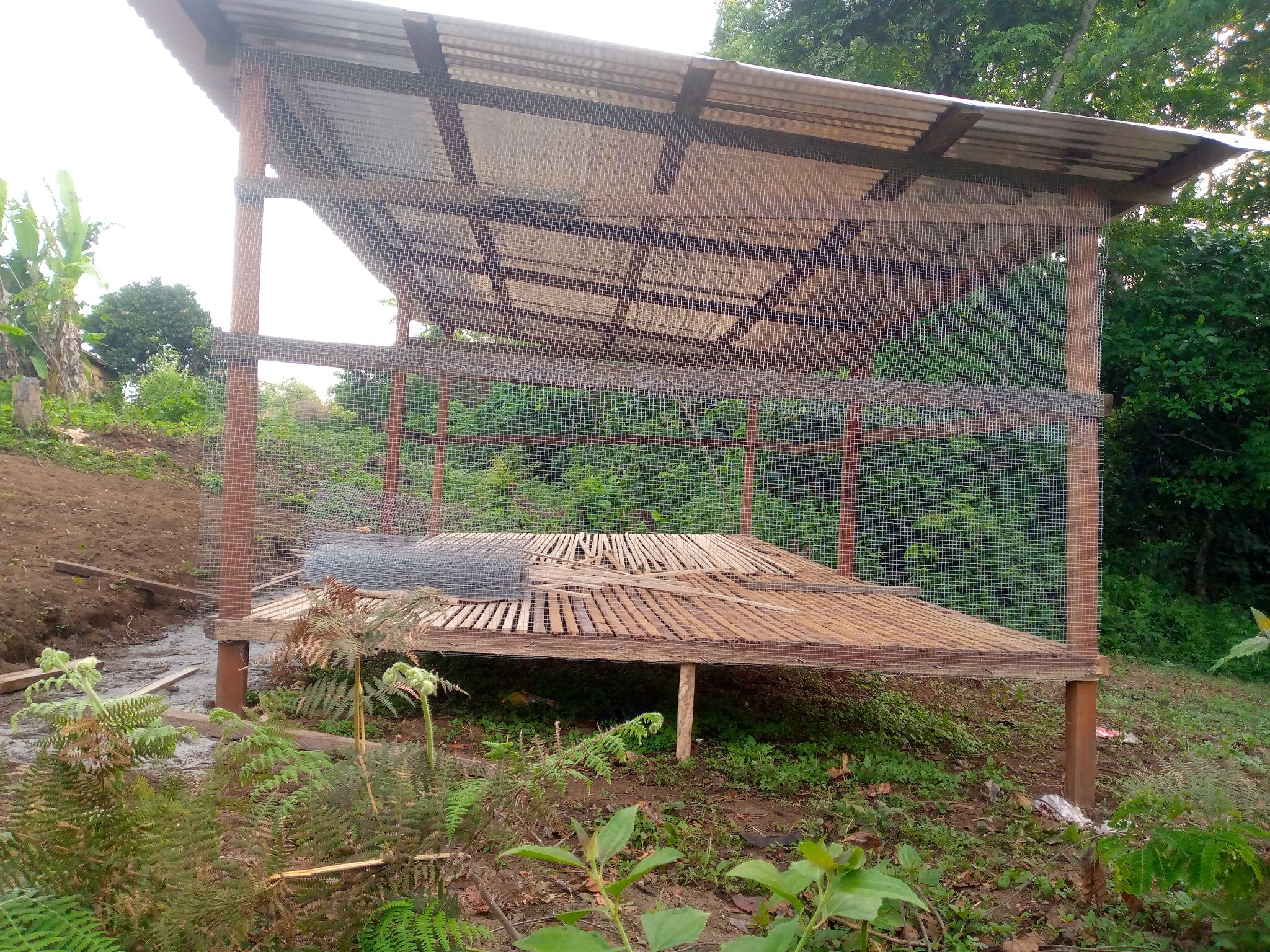
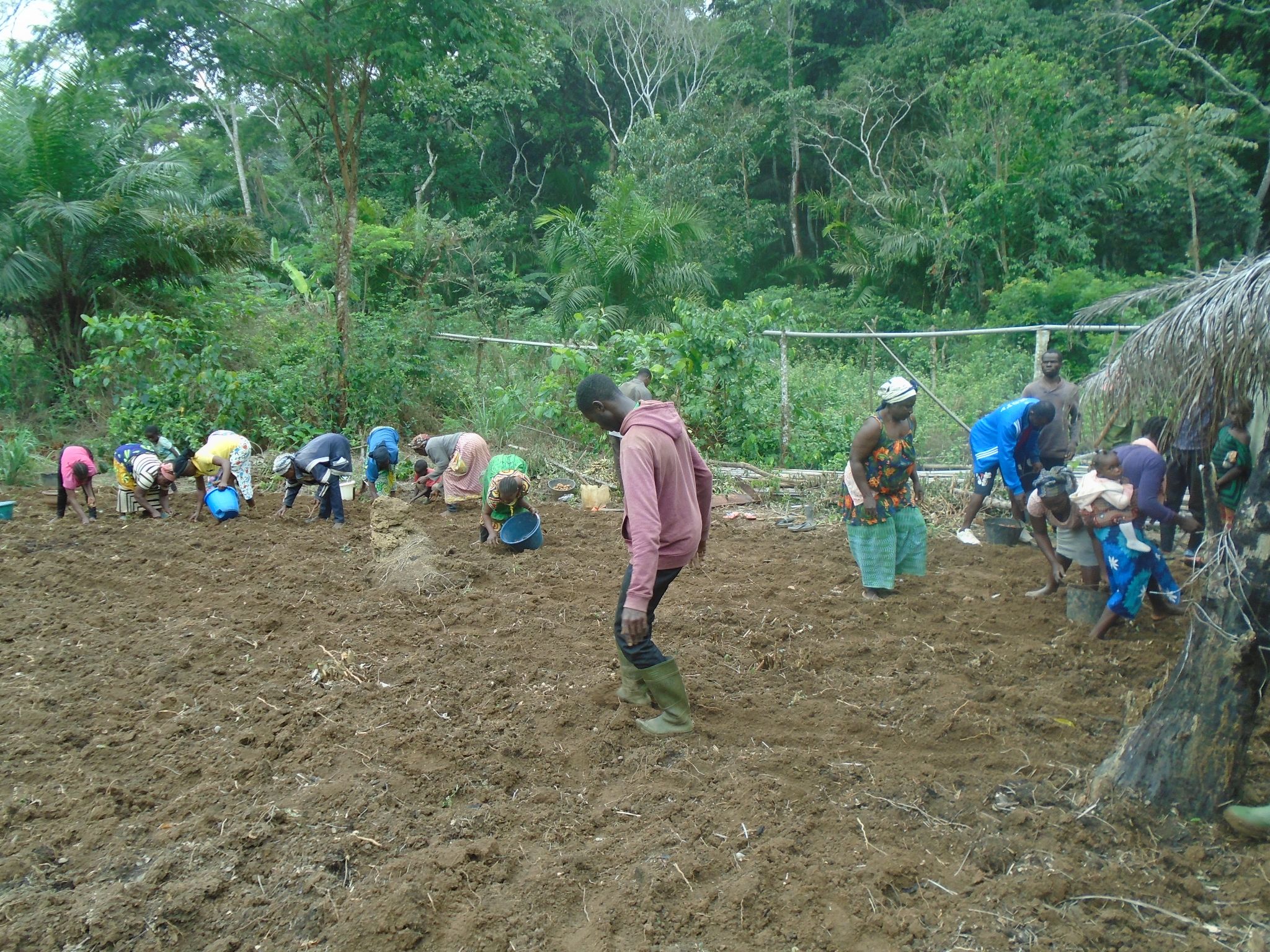
One of the biggest threats to pangolins and other wildlife in the Mbam et Djerem National Park is exploitation for subsistence. To address this, ABOYERD is working with communities around the Park to develop alternative livelihood activities to reduce their dependence on forest resources for livelihood. In this regard, green value chains are being developed (apiculture and the sustainable collection of Njansang (Ricinodendron heudelotii) and Guinean pepper (Xylopia aethiopica)). Target communities surrounding the northern limits of the Park are being trained in the production of modern bee hives for honey production, while communities in the western and southern limits of the Park are assisted in the sustainable collection of Njansang and Guinean pepper. We are equally exploiting the possibility of introducing pisciculture, poultry farming and cash crops like irish potato and plantains in communities to support income generation. To this effect, demonstration farms have been set up around the ABOYERD environmental center in Ngoum to test the success of Pisciculture, poultry farming, irish potato and plantain in the landscape. These will then be introduced in other local communities around the Park to support income generation.
Valorization of Honey Green Value Chain
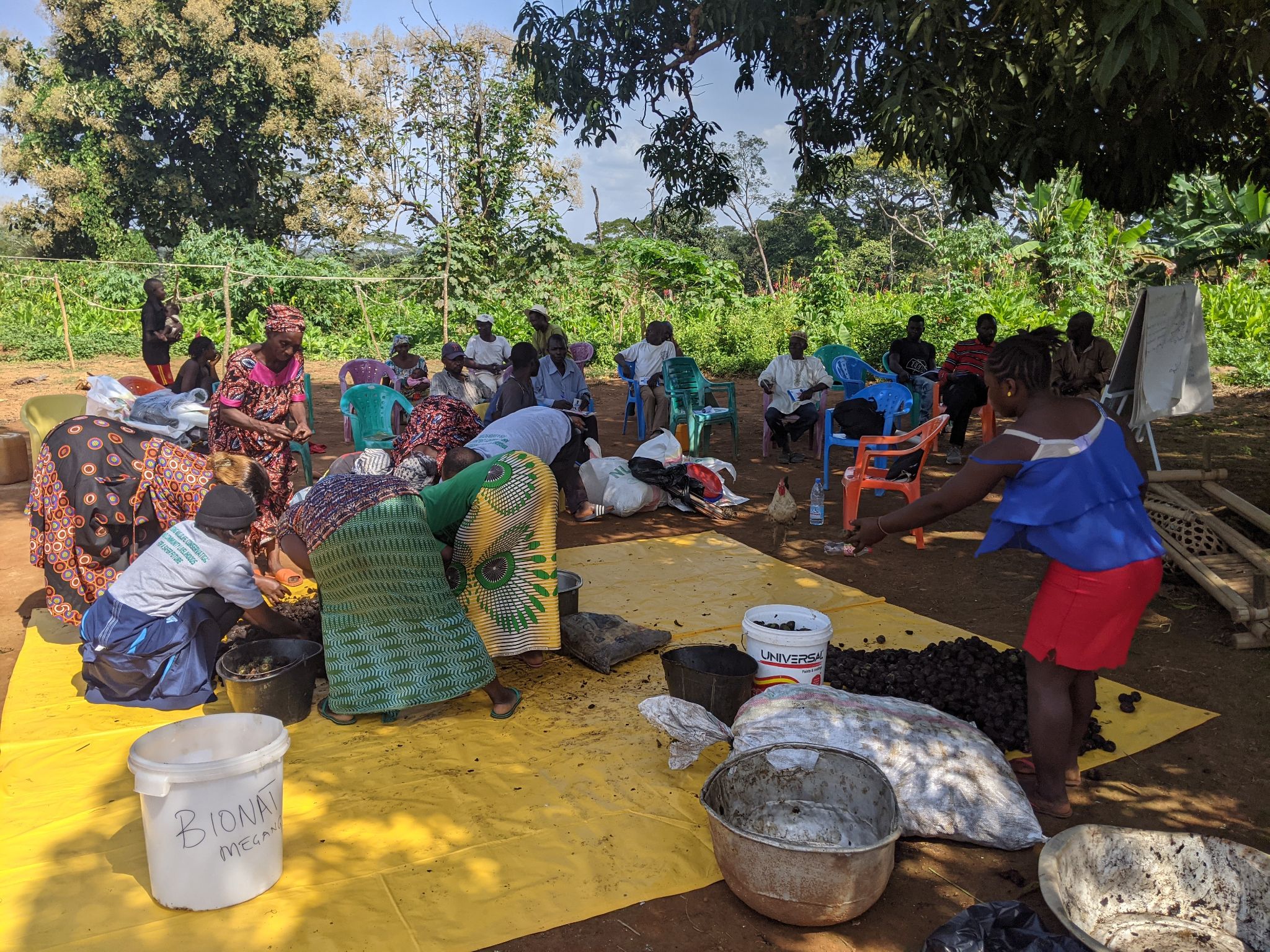
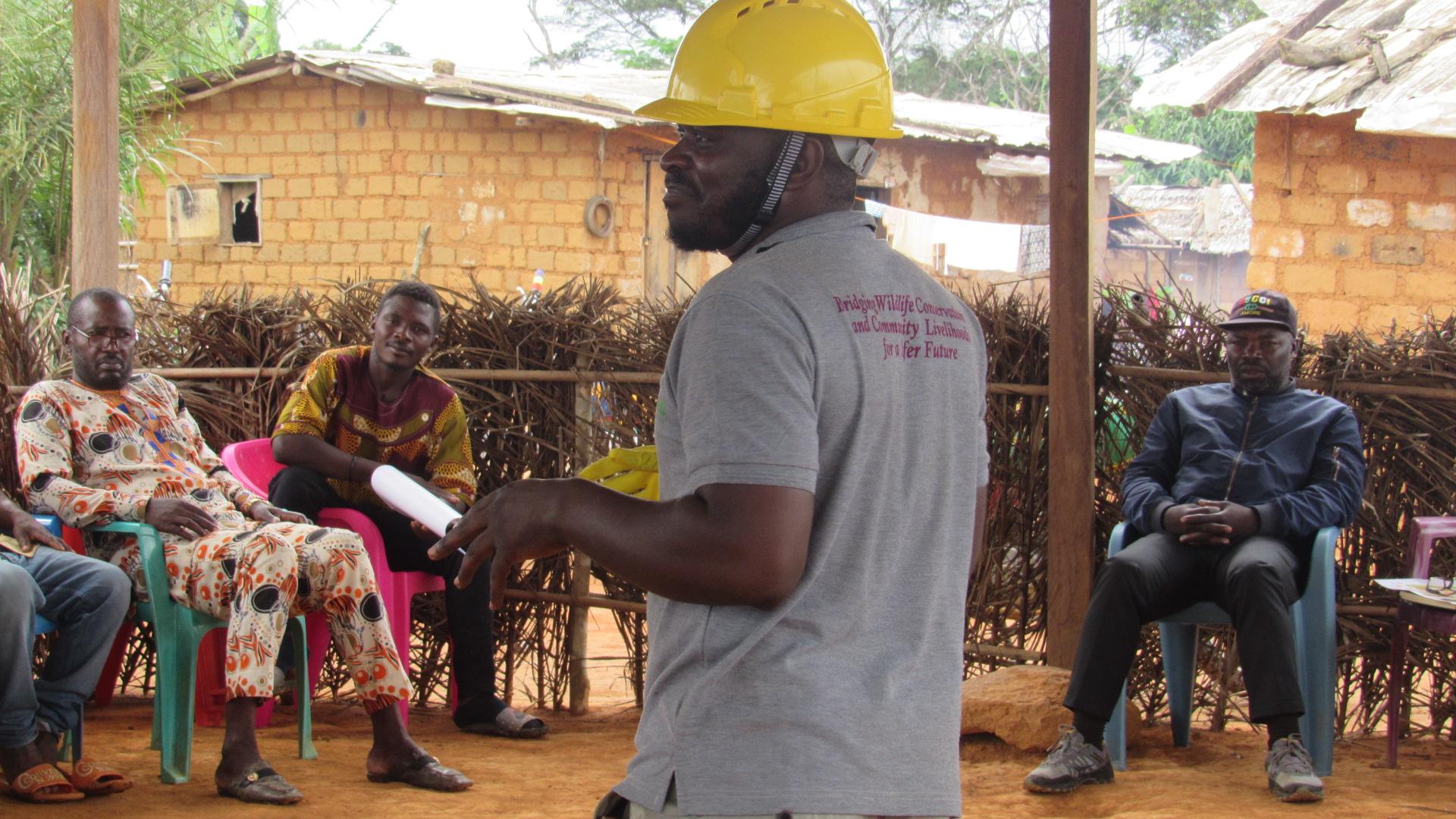
Valorization of Njansang (Ricinodendron heudelotii) and Guinean pepper (Xylopia aethiopica) green Value Chains
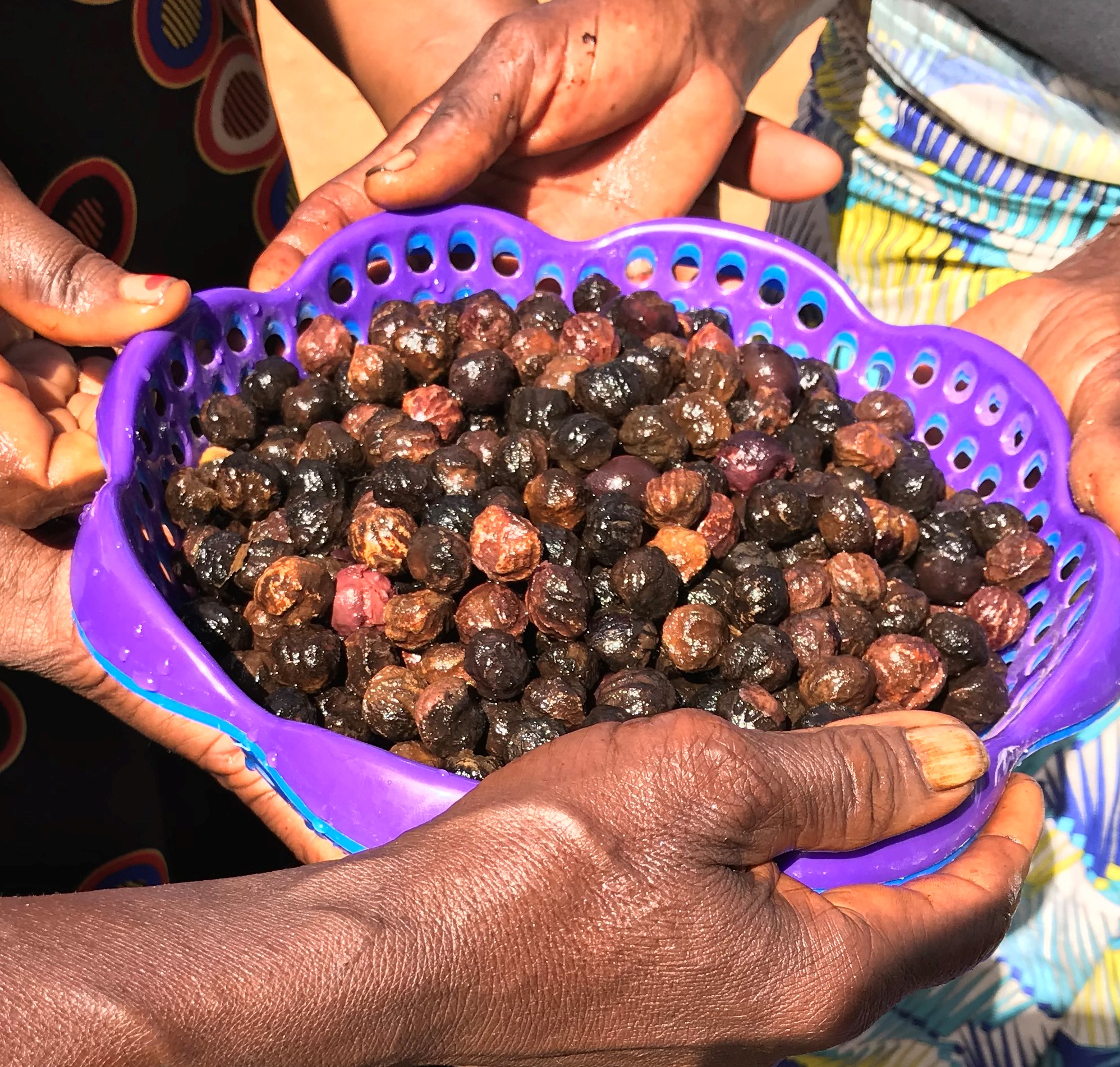
Njansang (Ricinodendron heudelotii)
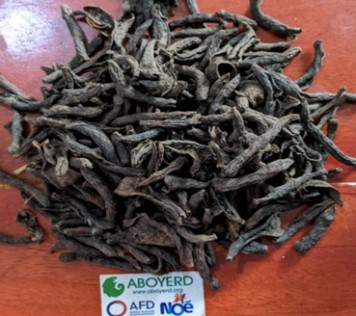
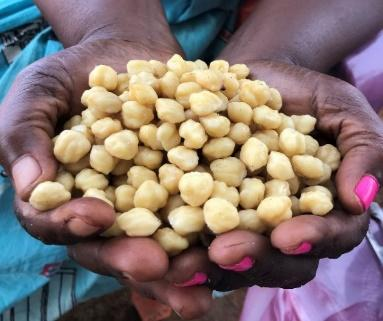
Guinean pepper (Xylopia aethiopica).
Setting up of Pilot demonstration farm for Poultry Farming in Ngoum Village
Local Communities receiving practical training on Irish Potato cultivation
iv. Habitat Restoration
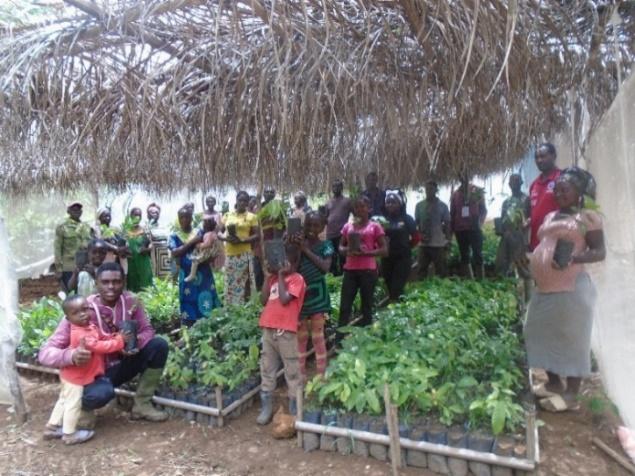
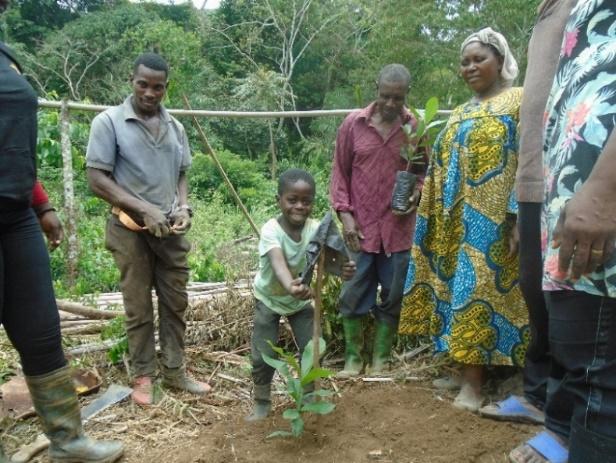
Habitat destruction is a major threat to the integrity of biodiversity in Mbam et Djerem National Park. Uncontrolled bushfires by nomadic herders and abusive illegal logging are severely fragmenting wildlife habitats. ABOYERD, under the Ngouroumoutou program is establishing community nurseries of ecological and socio-economic tree species. The aim of this is the progressive restoration of degraded wildlife habitats, the regeneration of Non-Timber Forest Product trees, and the mitigation of climate change.